

01
Solar power may be crowned king as global power demand grows
In most countries, solar power has consistently cost less than coal or natural gas, according to the International Energy Agency.
International Energy Agency, which is based in Paris, says that technology is maturing and that investment costs are falling as a result of good policies, making photovoltaics one of the lowest cost sources of electricity in history.
Photovoltaic systems, in the form of panels, are installed and run in every home and enterprise, and can also be deployed in solar parks.
In the wake of the new crown outbreak, the International Energy Agency said there would be three trends in the future of the global energy market. The fossil fuel future will be at stake, renewable power will go from “Promising”to “Sky-rocketing”, and solar power will be second to none.

The International Renewable Energy Agency is an international intergovernmental organization. The global average cost of generating electricity for large-scale photovoltaics facilities fell to 6.8 cents per kilowatt-hour last year from about 38 cents per kilowatt-hour in 2010, the agency said.
“I think solar will be crowned king in the world electricity market,”Fatih Birol, Executive Director of the International Energy Agency, said in a statement. According to the current policy, after 2022, the annual grid-connected power of solar energy will set a new record.”
The International Energy Agency suggests the first trend: by 2023, the new crown disease will be under control, global energy demand will return to pre epidemic levels, and the number of photovoltaic power systems will surge by 2030, solar power will grow by an average of 12% a year. In the same period, renewable energy will account for about 80 percent of the world’s new electricity generation, and by 2025 it will replace coal as the main source of power generation.
It can be predicted that electricity will account for a larger and larger share of total energy consumption.
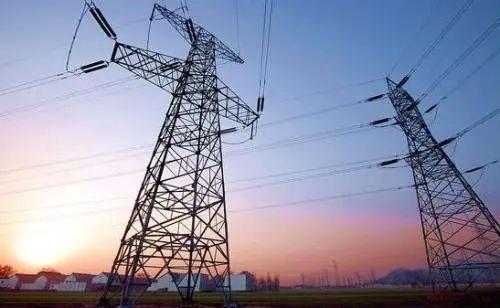
The second trend, suggested by the International Energy Agency, is that solar power will continue to be cheap, even if the epidemic continues to spread and devastate the economy.
A third trend, what the IEA calls a “Sustainable trend”, is solar’s Living Up. Clean energy policies will spring up and investments will surge to meet the goals of the Paris climate agreement. In 2019, photovoltaics and wind accounted for 8% of global electricity generation, but by 2030 it will be closer to 30% .
“If governments and investment institutions invest more in clean energy projects, solar and wind power will flourish and help meet the global challenge of climate change,”Rohr said.
Voices are rising that the outbreak should be used as an opportunity to speed up the transition to fossil fuels in response to the climate crisis. As a result, some governments have included environmental measures as part of the new Crown Recovery Plan.
Several oil companies, including BP and Royal Dutch Shell, have unveiled their low carbon energy transformation plans, marking a fundamental shift in the global energy market.
02
Coal is coming to an end
Solar stars are rising, and coal, the mainstay of the global energy system over the past few decades, is dying.
Economic activity declined and electricity demand fell as a result of the “Structural collapse in global coal demand”caused by the outbreak, the International Energy Agency said. The report also predicts a 275 gigawatt reduction in total coal-fired power generation by 2025.
Even if the global economy recovers from the epidemic next year, global coal-fired power generation will fall from 37 per cent to 28 per cent by 2030.
The fall in the cost of solar energy is bound to damp demand for coal. In June, the International Energy Agency noted that the average price of solar projects going into service next year would be 3.9 cents per kilowatt hour, down 42 percent from 2019 and less than 80 percent of the cost of coal fired power plants.
By contrast, the outlook for oil is uncertain. During the outbreak, demand for oil plummeted as factories shut down, flights were grounded and cars were shut down. Despite the late rally, some analysts believe the outbreak has permanently altered people’s lifestyles and ways of travelling and that total oil demand may never return to 2019 levels.
The International Energy Agency predicts that total oil demand will not grow in the next decade, but that it will not plummet unless there is a major change in policy. “Current national policies suggest that once the global economy recovers, aggregate oil demand will return to pre-epidemic levels,”Rohr said.
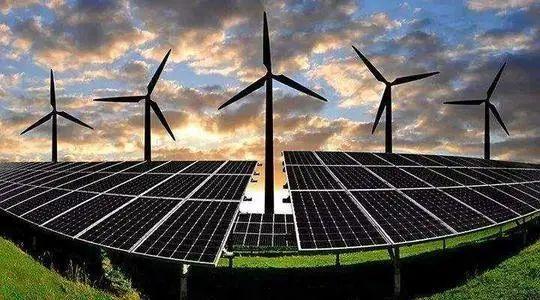
The International Energy Agency report forecasts that energy demand will fall by 5% this year, while carbon emissions are expected to fall by 7% and energy investment by 18% .
For more information on products for solar power, please feel free to call Slocable at 86-769-22010201. You can also email us at pv@slocable.com.cn.


