

Q1
What are the common faults?
Q2
What is the cause of the overheating of the contact part of the isolating switch during operation?
The isolating switch overheats during operation, which is mainly caused by heavy load, increased contact resistance, and not fully closed during operation.
Q3
What are the reasons for the increase in the contact resistance of the isolation switch?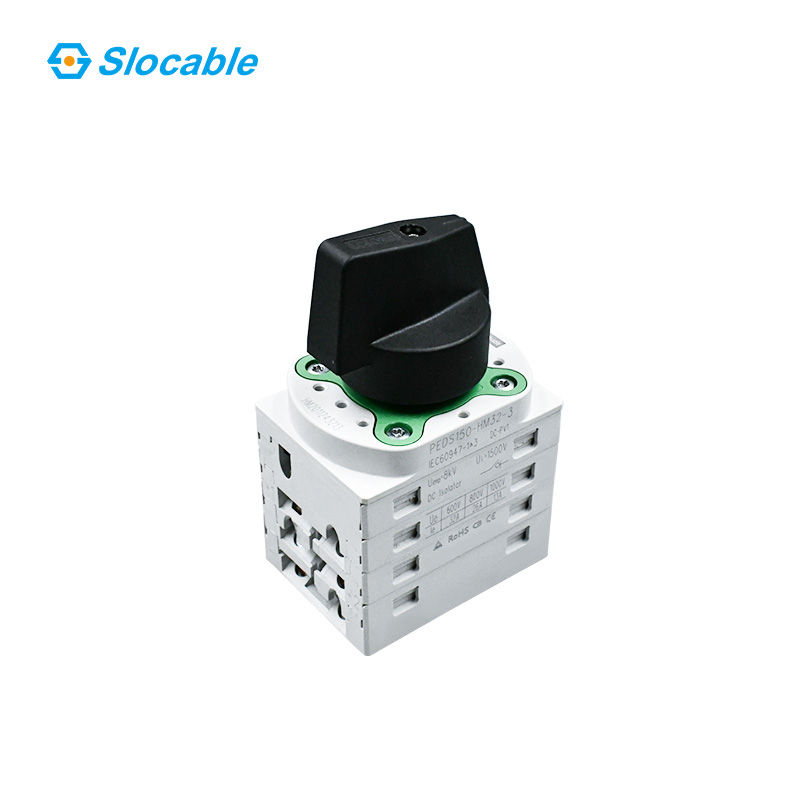
Q4
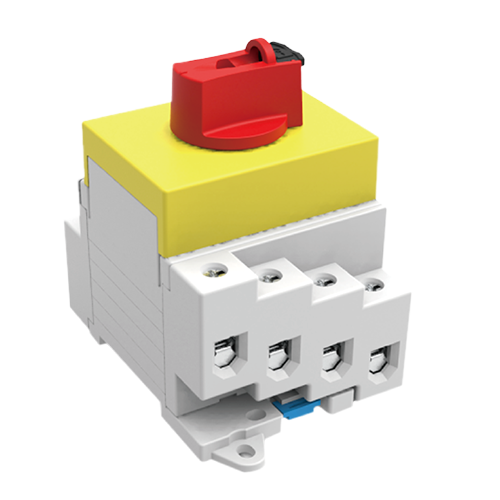
How to judge whether the isolation switch contacts are overheated?
Q5
How to deal with overheating of isolating switch contacts and contacts?
Q6
How to check and deal with the failure of the electric operation of the isolation switch?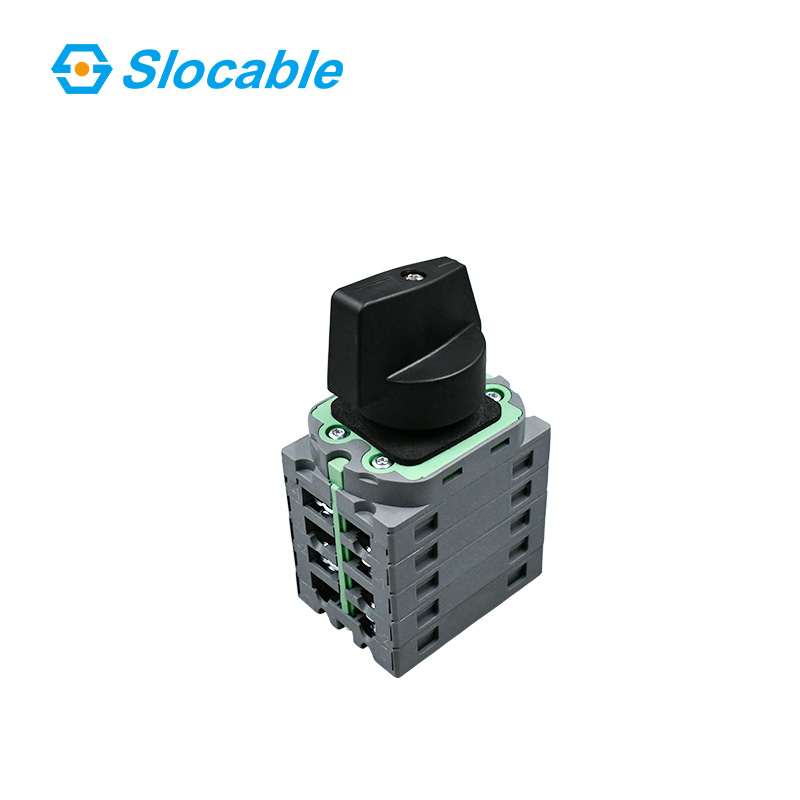
Q7
How to deal with the welding deformation of isolation switch contacts?
Q8
How should the isolation switch refuse to open or close?
Q9
How to deal with the disconnection switch not in place?
What are the common faults?
Common faults of isolating switches are:
(1) The contact part is overheated.
(2) Porcelain insulation damage and flashover discharge.
(3) Refuse to pull and close.
(4) Wrong opening and closing.
(1) The contact part is overheated.
(2) Porcelain insulation damage and flashover discharge.
(3) Refuse to pull and close.
(4) Wrong opening and closing.
Q2
What is the cause of the overheating of the contact part of the isolating switch during operation?
The isolating switch overheats during operation, which is mainly caused by heavy load, increased contact resistance, and not fully closed during operation.
Q3
What are the reasons for the increase in the contact resistance of the isolation switch?
The reason for the increase in contact resistance is that the repulsion force at the contact between the blade and the blade is very large, and the blade is not tightly closed, which causes the surface to oxidize and increases the contact resistance. Secondly, the isolation switch will cause arcs during the pulling and closing process, burn the contacts, and increase the contact resistance.
Q4
How to judge whether the isolation switch contacts are overheated?
It can be judged according to the color change of the contact part of the isolating switch or the color of the temperature test piece, and it can also be determined according to the darkening degree of the color of the blade. It is generally determined according to the results of infrared temperature measurement.
Q5
How to deal with overheating of isolating switch contacts and contacts?
When it is found that the contacts and contacts of the isolation switch are overheated, first report the dispatch, try to reduce or transfer the load, strengthen monitoring, and then deal with it according to different wiring:
(1) Double busbar wiring. If a busbar side knife switch is overheated, put the overheated isolating switch out of operation through the inverted busbar, and power off for maintenance.
(2) Single bus connection. Its load must be reduced, monitoring should be strengthened, and measures should be taken to cool it down. If conditions permit, stop using it as much as possible.
(3) Switching of available bypass breakers with bypass breakers.
(4) If the line-side isolating switch is overheated, the treatment method is basically the same as that of the single bus, and the power outage maintenance should be arranged as soon as possible. During the maintenance period, the load should be reduced and monitoring should be strengthened.
(5) Open-loop operation of one and a half circuit breaker wiring is possible.
(6) For the overheated contacts and contacts of the isolating switch on the bus side, after the isolating switch is pulled open, after on-site inspection, if the safety distance for live work is satisfied, the down conductor joint on the bus side can be electrolyzed and then dealt with.
(1) Double busbar wiring. If a busbar side knife switch is overheated, put the overheated isolating switch out of operation through the inverted busbar, and power off for maintenance.
(2) Single bus connection. Its load must be reduced, monitoring should be strengthened, and measures should be taken to cool it down. If conditions permit, stop using it as much as possible.
(3) Switching of available bypass breakers with bypass breakers.
(4) If the line-side isolating switch is overheated, the treatment method is basically the same as that of the single bus, and the power outage maintenance should be arranged as soon as possible. During the maintenance period, the load should be reduced and monitoring should be strengthened.
(5) Open-loop operation of one and a half circuit breaker wiring is possible.
(6) For the overheated contacts and contacts of the isolating switch on the bus side, after the isolating switch is pulled open, after on-site inspection, if the safety distance for live work is satisfied, the down conductor joint on the bus side can be electrolyzed and then dealt with.
Q6
How to check and deal with the failure of the electric operation of the isolation switch?
After the electric operation of the isolation switch fails, first check whether there is any error in the operation, and then check whether the operation power circuit and power supply circuit are in good condition, and whether the fuse is blown or loose. Whether the electrical blocking circuit is normal.
Q7
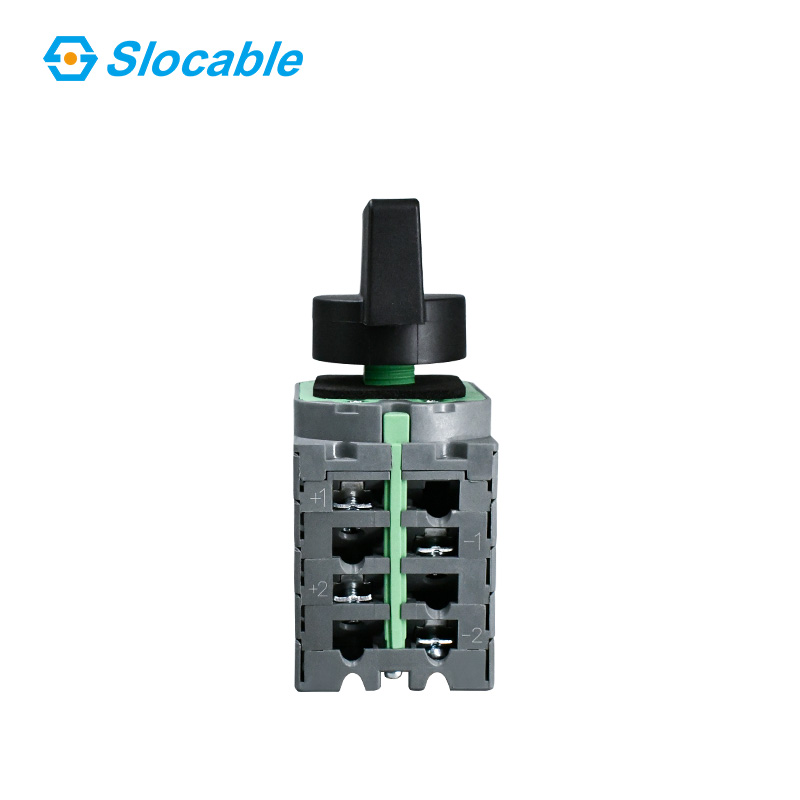
How to deal with the welding deformation of isolation switch contacts?
In these situations of welding deformation of isolation switch contacts, insulator damage, serious discharge , the power should be cut off immediately, and the monitoring should be strengthened before the power cut.
Q8
How should the isolation switch refuse to open or close?
(1) Due to mechanical failures such as shaft pin falling off, wedge bolt withdrawal, cast iron fracture, or electrical circuit failure, the cutter bar may be disconnected from the operating mechanism, causing the isolation switch to refuse to close. At this time, an insulating rod should be used for operation. , or in the case of ensuring personal safety, use a wrench to turn the shaft of each phase isolation switch.
(2) Refuse to trip. When the isolation switch cannot be opened, if the operating mechanism is frozen, you can shake it gently and observe the supporting porcelain bottle and various parts of the mechanism, so as to find out the obstacle according to where the deformation and displacement occur. If the obstacle occurs in the contact part of the isolating switch, it should not be forcibly pulled apart, otherwise the supporting porcelain bottle may be damaged and cause a serious accident. At this time, the operation mode of the equipment can only be changed to deal with it.
(2) Refuse to trip. When the isolation switch cannot be opened, if the operating mechanism is frozen, you can shake it gently and observe the supporting porcelain bottle and various parts of the mechanism, so as to find out the obstacle according to where the deformation and displacement occur. If the obstacle occurs in the contact part of the isolating switch, it should not be forcibly pulled apart, otherwise the supporting porcelain bottle may be damaged and cause a serious accident. At this time, the operation mode of the equipment can only be changed to deal with it.
Q9
How to deal with the disconnection switch not in place?
The isolation switch is not in place, most of which are caused by the corrosion of the mechanism, the jam, the maintenance and debugging are not adjusted properly, etc. If this happens, the isolation switch can be opened and then closed. For the 220KV isolating switch, it can be pushed in with an insulating rod, and if necessary, a power failure treatment should be applied. The high-voltage isolating switch should be overhauled 1-2 times every 2 years.
For more information on isolating switch, please feel free to call Slocable at 86-769-22010201. You can also email us at pv@slocable.com.cn.


